
— Empowering Healing Experiences
What are Peptides, and how are they used?
What are Peptides?
What is a Peptide? Think of proteins as long, complex chains made up of many smaller beads. Each of those beads is an amino acid. A peptide is simply a short chain of these amino acids, typically fewer than 50. So, they’re like mini-proteins or fragments of proteins. The specific sequence of these amino acids determines the peptide’s unique function.
Are Peptides Natural to Our Bodies? Absolutely! Our bodies naturally produce a vast array of peptides, and they are fundamental to almost every biological process. They act as essential messengers, signaling molecules, and building blocks. For example, hormones like insulin (which regulates blood sugar) and oxytocin (involved in social bonding) are peptides. Many enzymes and growth factors also have peptide components. We also obtain peptides from breaking down proteins in the foods we eat.
Why Do Our Bodies “Love Them”? Our bodies “love” peptides because they are incredibly efficient, precise, and biocompatible. Here’s why:
- Specific Messengers: They act like highly specialized keys designed to fit very particular locks (receptors) on our cells. This allows them to deliver specific instructions or signals to different parts of the body, orchestrating complex processes with remarkable accuracy.
- Fundamental Building Blocks: Beyond signaling, some peptides serve as direct building blocks for essential structures, like collagen peptides which form the scaffolding of our skin, bones, and connective tissues.
- High Compatibility: Since they are natural components of our bodies, peptides are generally well-recognized and tolerated by our biological systems, leading to good biocompatibility.
- Diverse Functions: They are involved in everything from regulating sleep and appetite to influencing immune responses, healing wounds, reducing inflammation, and maintaining skin health. Their versatility makes them indispensable for maintaining overall balance and well-being.
How are peptides used?
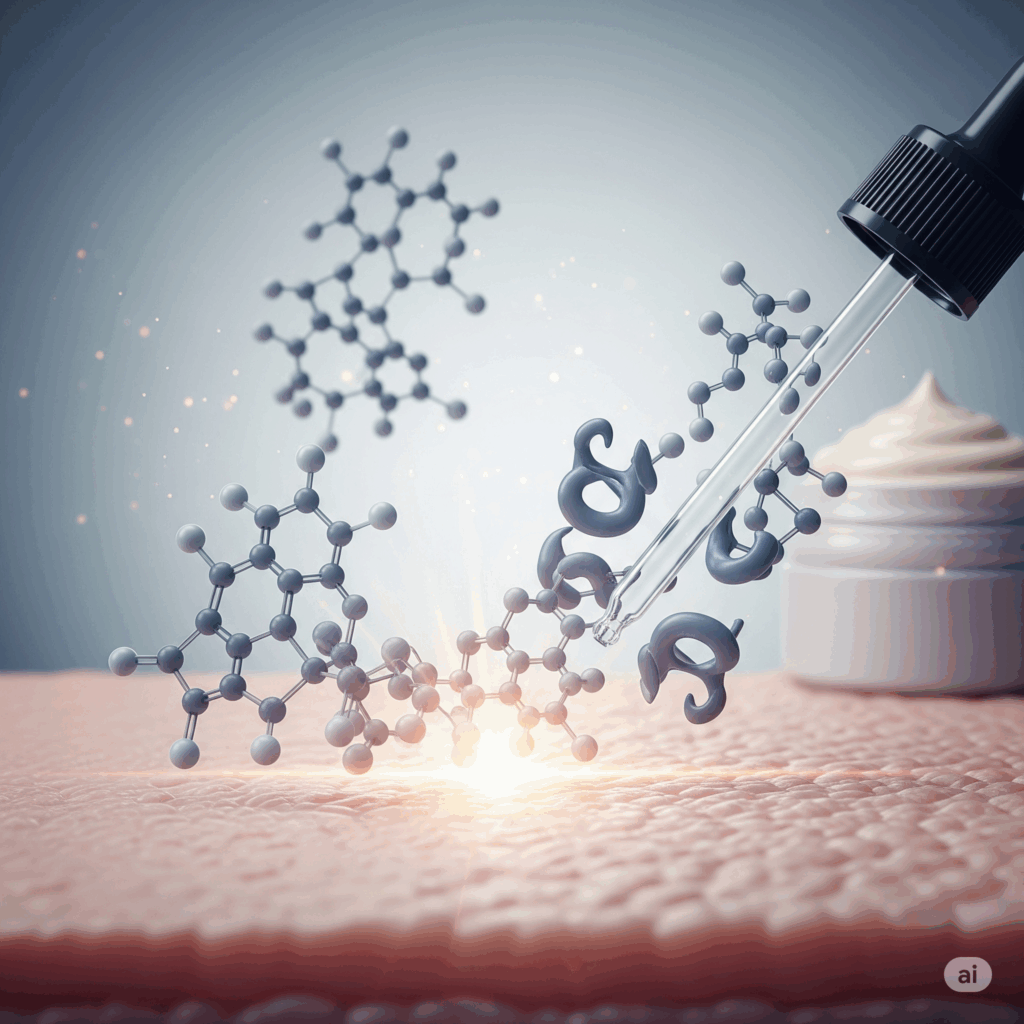
Peptides are a rapidly evolving and highly popular ingredient in various product sectors today, driven by ongoing research and a better understanding of their diverse biological roles.1 Here’s some up-to-date information on their use:
1. Dominance in Skincare and Cosmetics:
Peptides are arguably most prevalent and celebrated in the skincare industry. They are touted as powerful anti-aging and skin-improving ingredients.2 Different types of peptides are formulated into serums, creams, and lotions to:3
- Signal Collagen Production: Encourage the skin to produce more collagen and elastin, leading to firmer, more elastic skin and reduced appearance of fine lines and wrinkles.4
- Reduce Inflammation: Some peptides have calming and soothing properties, beneficial for sensitive or irritated skin.5
- Improve Barrier Function: Help strengthen the skin’s natural protective barrier.6
- Brighten and Even Skin Tone: Certain peptides can interfere with melanin production, helping to reduce hyperpigmentation.7
- Deliver Other Actives: Act as carriers to help other beneficial ingredients penetrate deeper into the skin.8
2. Growing Presence in Hair Care:
Similar to skin, peptides are being incorporated into shampoos, conditioners, and treatments to:9
- Strengthen hair strands and reduce breakage.10
- Promote scalp health.11
- Potentially stimulate hair growth or improve hair density.12
3. Expanding Role in Dietary Supplements and Nutraceuticals:
Beyond topical applications, peptides are increasingly found in ingestible products:
- Collagen Peptides: Highly popular for supporting joint health, bone density, and overall skin/hair/nail health from within.
- Specialized Peptides: Research is exploring various peptides for roles in muscle growth and recovery (e.g., in sports nutrition), gut health, and other systemic benefits, often derived from sources like dairy (whey), soy, or specific plants.
4. Focus on Bioactivity and Targeted Action:
Modern research allows for the identification and synthesis of specific peptides with targeted biological activities.13 This “bioactivity” is a key selling point, as consumers are increasingly looking for ingredients that promise a specific, measurable effect rather than just general nourishment.
5. Innovation in Delivery Systems:
The challenge with peptides is their size and stability. Up-to-date product formulations often involve advanced delivery systems (e.g., encapsulated peptides, liposomal delivery) to ensure the peptides remain stable and can effectively reach their target in the body or skin.14
6. Emphasis on Sourcing and Sustainability:
There’s a growing trend towards sustainably sourced peptides, whether from plant-based proteins, fermentation processes, or ethically obtained animal by-products (like marine collagen).
In summary, peptides are no longer just a niche ingredient but a mainstream component across beauty, health, and wellness products, valued for their targeted action, versatility, and potential to stimulate the body’s natural processes.
— Empowering Healing Experiences
Key scientific research concerning the peptides found in Kambo
The peptides found in Kambo secretion (from Phyllomedusa Bicolor) have been the subject of extensive scientific investigation, primarily in pharmacology and biochemistry, due to their potent biological activities.
- Opioid Peptides (Dermorphins and Deltorphins):
- Research Focus: These are among the most potent naturally occurring opioid receptor agonists discovered. Studies have focused on their analgesic (pain-relieving) properties and their interactions with central and peripheral opioid receptors. Their potency often far exceeds that of morphine.
- Significance: Insights into these peptides contribute to pain research and the development of new analgesics.
- Tachykinins (Phyllomedusins):
- Research Focus: These peptides primarily affect smooth muscle contraction, often impacting the gastrointestinal tract, and can influence secretions from various glands (e.g., salivary, tear glands). They belong to a family of neuropeptides involved in diverse physiological processes.
- Significance: Research explores their role in gut motility disorders and neurobiological pathways.
- Bradykinin Potentiators (Phyllokinins):
- Research Focus: These peptides potentiate the effects of bradykinin, a vasodilator (widens blood vessels) and pain mediator. This leads to a drop in blood pressure.
- Significance: Relevant to research on cardiovascular regulation and blood pressure management.
- Caerulein and Phyllocaerulein:
- Research Focus: These are structurally and functionally similar to cholecystokinin (CCK), a hormone involved in digestion (stimulating pancreatic secretion and gallbladder contraction) and also acting as a neurotransmitter in the brain (linked to satiety and anxiety). Phyllocaerulein also has potent hypotensive effects.
- Significance: Investigated for roles in gastrointestinal physiology, appetite control, and pain.
- Corticotropin-Releasing Factor (CRF) Analogues (Sauvagine):
- Research Focus: Sauvagine acts on CRF receptors, which are crucial for the body’s stress response system. It can influence various neuroendocrine and behavioral functions. It also exhibits hypotensive properties.
- Significance: Contributes to understanding stress, anxiety, and neuroendocrine regulation.
- Antimicrobial Peptides (Dermaseptins and Phylloseptins):
- Research Focus: A significant area of research explores the broad-spectrum antimicrobial properties of these peptides. They have been shown to be effective against a wide range of bacteria (including antibiotic-resistant strains), fungi, and even some viruses and protozoa, often by disrupting microbial cell membranes.
- Significance: Holds promise for the development of new antibiotics and antifungal agents in an era of increasing drug resistance.
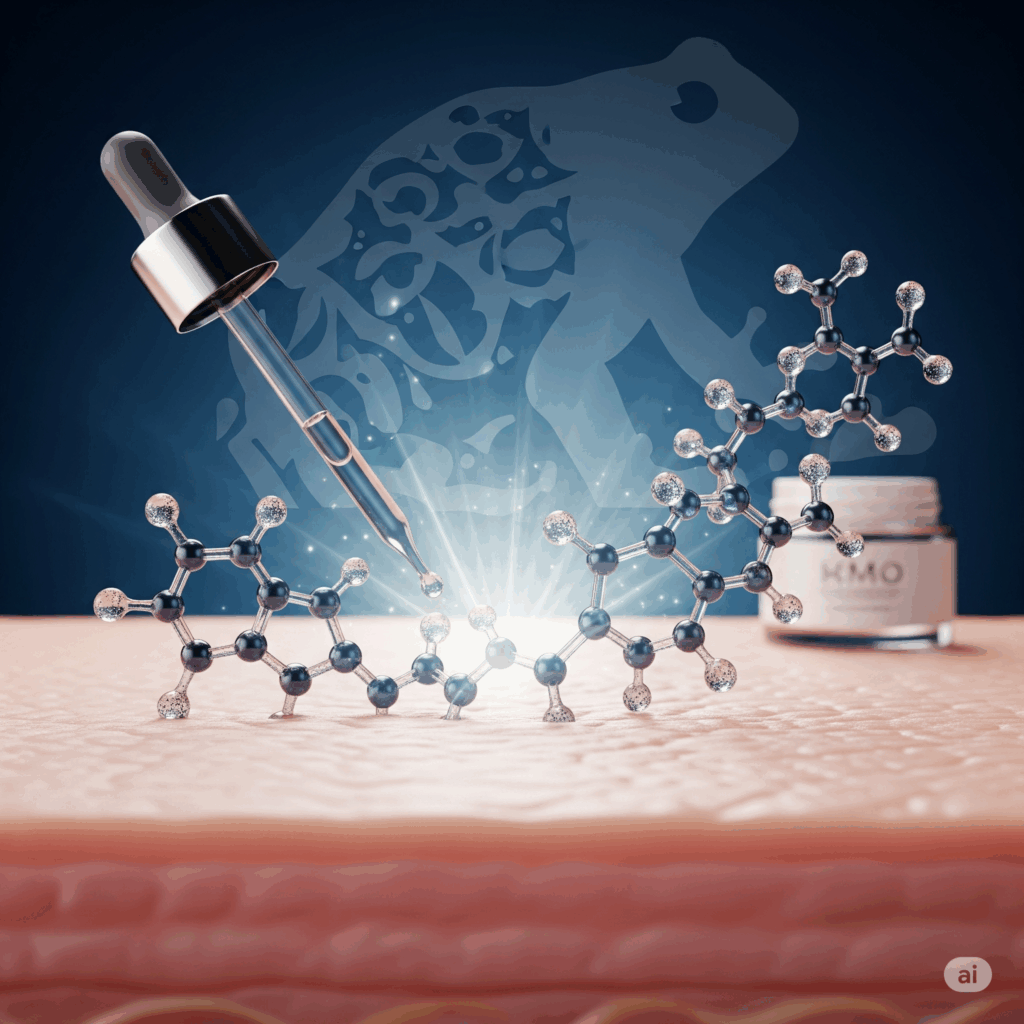
Overall Scientific Interest:
Scientific interest in Kambo peptides stems from their unique structures and potent biological activities, offering valuable insights into pharmacology, immunology, and neurobiology. Researchers are continuously exploring their potential applications in medicine and biotechnology.
Important Note for Peptosyn Oil: The information above refers to the isolated peptides as studied in scientific research. The effects and safety of these peptides when formulated into a topical oil (like Peptosyn Oil) can differ significantly from their effects when administered in other forms or through traditional Kambo practices. This scientific information is for educational context regarding the source material and does not constitute medical claims for Peptosyn Oil